
The Vatican Museums
About the Vatican Museums
The Vatican Museums are a world-renowned treasure trove of art and artifacts, showcasing the rich history of the Roman Catholic Church and its influence on the world. Founded in the early 16th century, the collections of the museums include over 70,000 works of art, including sculptures, paintings, tapestries and maps.
The main highlight of the Vatican Museums is arguably the Sistine Chapel, famous for its ceiling painted by Michelangelo, depicting scenes from the Book of Genesis. Similarly impressive are the famous Raphael Rooms, which house some of the Renaissance master's most famous works.
The Vatican Museums offer a unique window into the history of art, religion and the Western world. A visit to the museums is a must for anyone interested in these subjects or simply looking to experience some of the world's most breathtaking and iconic works of art.
Interesting facts about the Vatican Museums


Vatican Museums Highlights
The Sistine Chapel
No visit to the Vatican Museums is complete without viewing the world-famous frescoes of the Sistine Chapel. Commissioned by Pope Julius II and named after Pope Sixtus IV, Michelangelo painted nine scenes from the Book of Genesis that have inspired and captivated the imagination across the world.
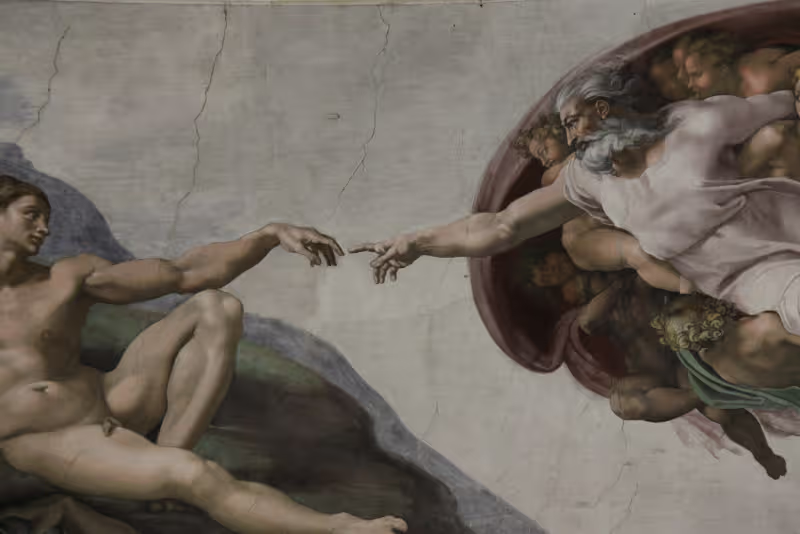
The most recognizable section of the painted ceiling is the “Creation of Adam”, which depicts God reaching out and giving life to Adam. This fresco by the great master of Italian art is arguably one of his most influential and recognizable works, along with the “Final Judgment” on the altar wall.
Beyond its historical and artistic significance though, the Sistine Chapel also functions as a Papal conclave, where the new Pope is elected by the College of Cardinals. As one of the greatest masterpieces of Western art, millions of visitors travel to the Vatican each year to marvel at the Sistine Chapel.
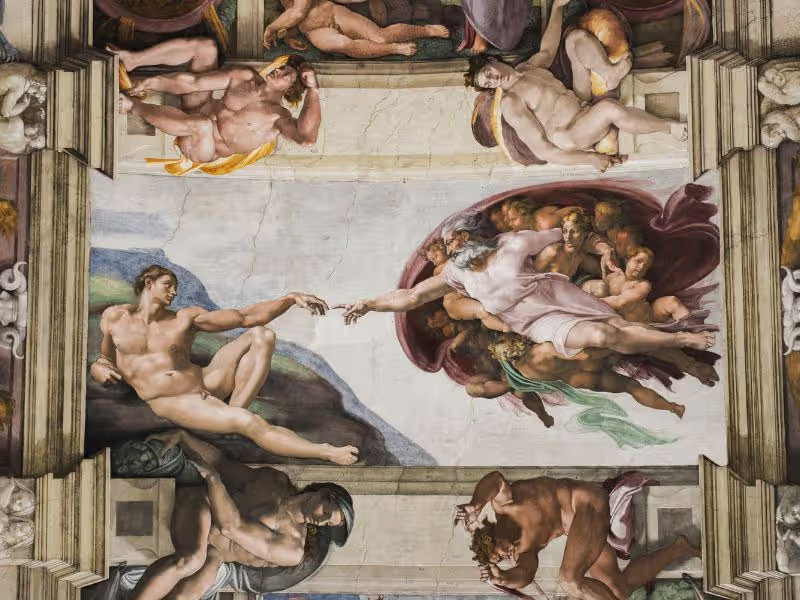
Must see inside the Vatican Museums
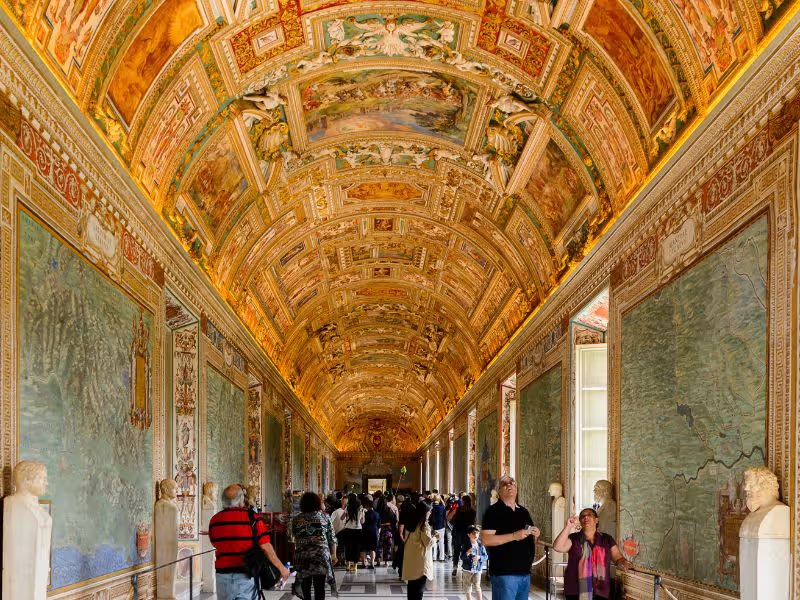
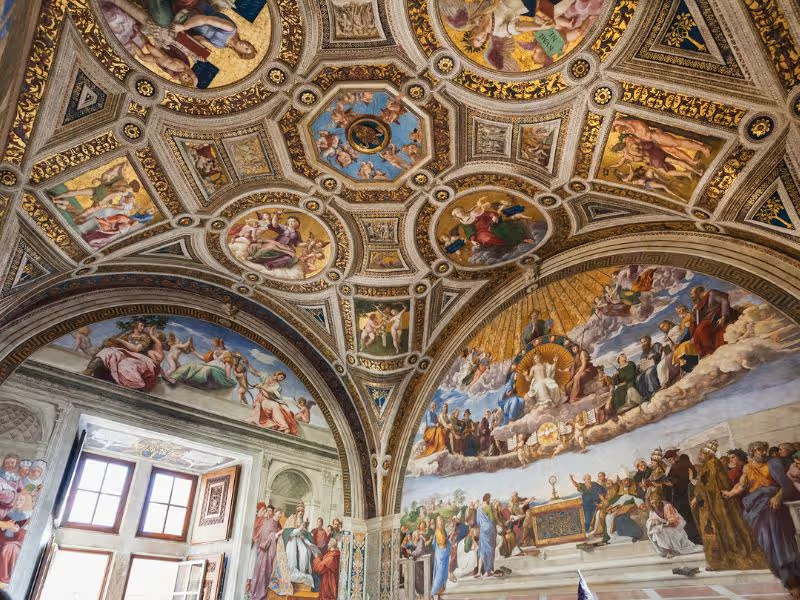
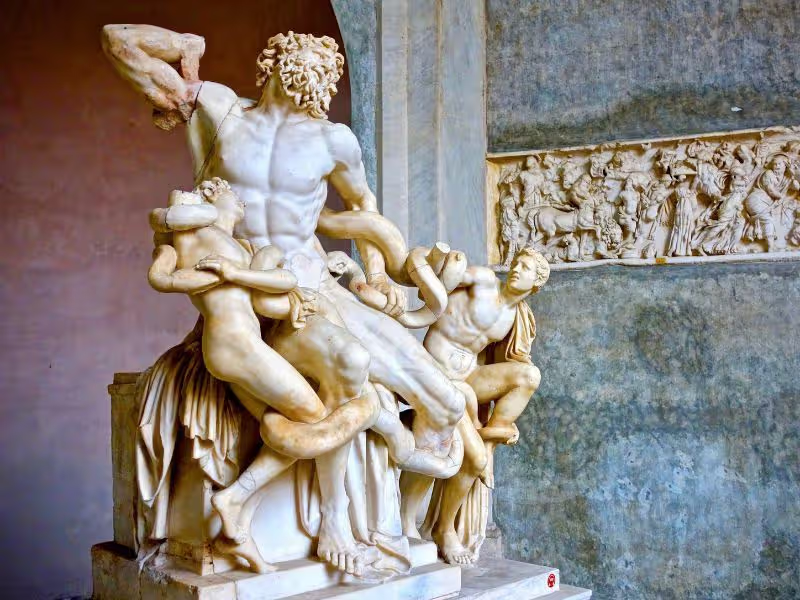
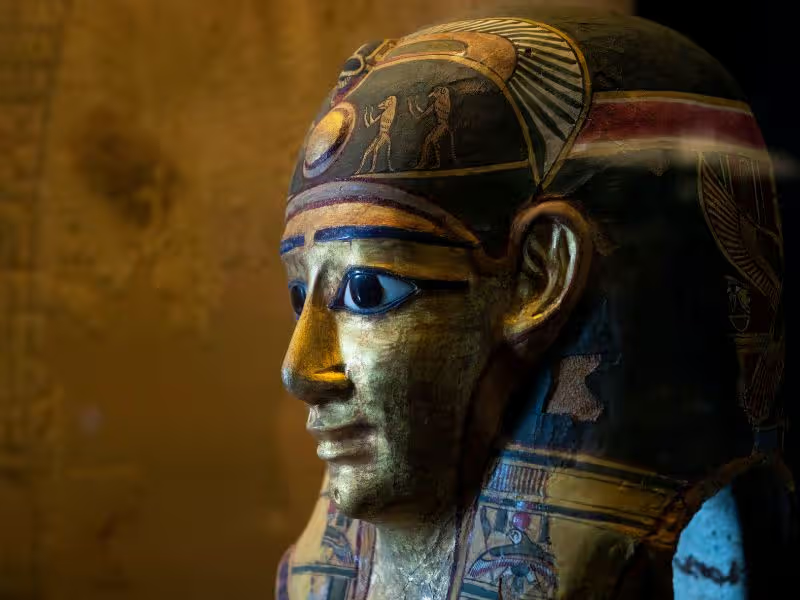
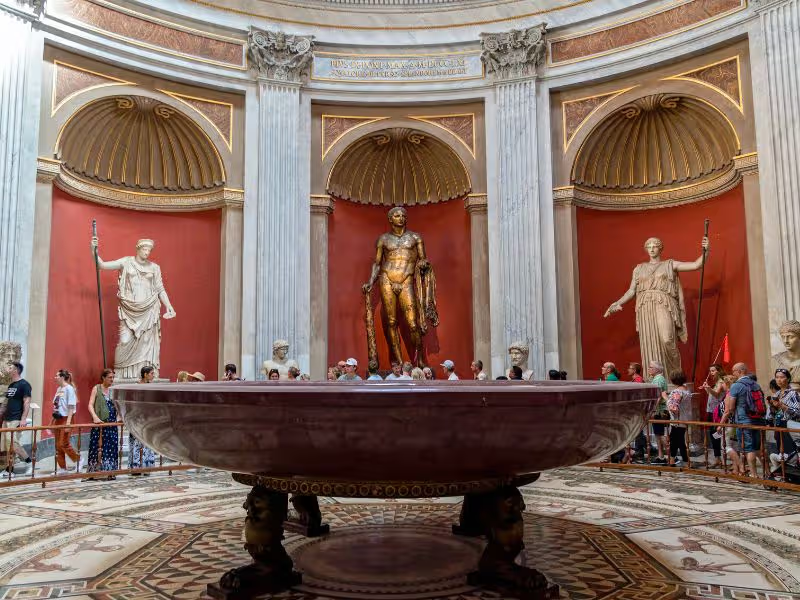
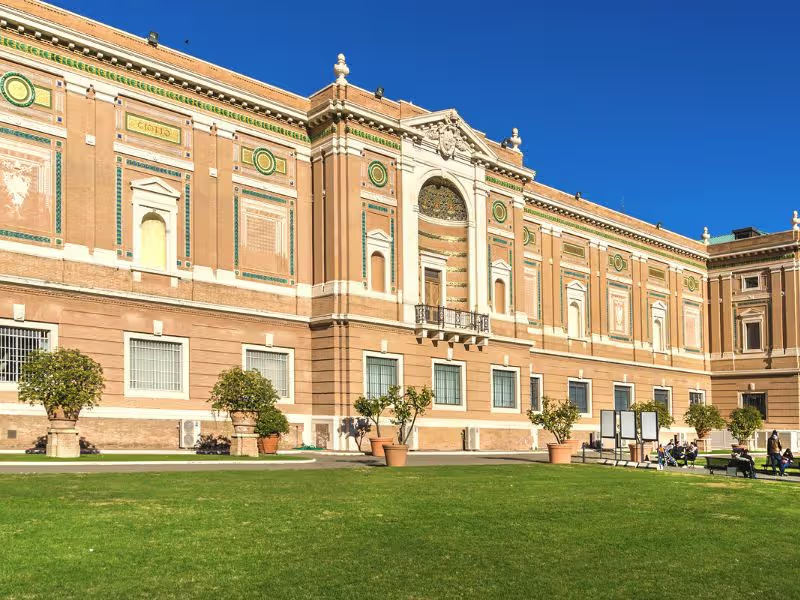
Navigating the Vatican Museums
A map of the Vatican Museums’ layout is available here. The map will help you find the location of all of the museum collections and galleries, which are color-coded according to different art periods or themes.As soon as you enter the Vatican Museums, you can head to your left to the Gregorian Egyptian Museum and the Pio-Clementine Museum. The New Wing and Profane Museum are located at the bottom of the Pigna Courtyard. On the western side of the Vatican Museums, after entering, you will find the Gregorian Profane Museum and the Pinacoteca. The Sistine Chapel can be found on the southern end of the Vatican Museums, near the Borgia Apartment and Raphael Rooms.
You can also find elevators, toilets, first aid and dining areas, as well as other facilities and services, on the map.
Plan your visit
Opening hours
Opening hours
Monday to Saturday: 9 AM to 6 PM
Last entrance 2 hours before closing time.
Last Sundays of each month: 9 AM to 2 PM with free access
Last entrance 1.5 hours before closing time.
Visit duration
Guided tours of the Vatican Museums typically last about 3 hours, including a visit to the iconic Sistine Chapel.
Without a guide, it usually takes at least 2 hours to cover the main highlights. For a more comfortable and relaxed experience though, allow 3 to 4 hours.
Location and access
Location
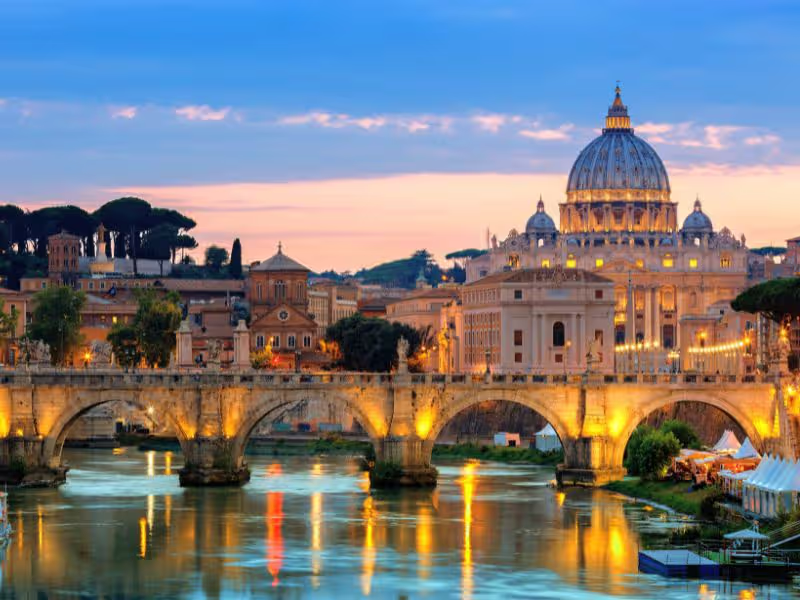
The Vatican Museums are located inside the Vatican City, which sits on a hill in the northwestern part of Rome and bordered by the Tiber River to the west.
The enclave is recognizable by its famous basilica, St. Peter's Basilica, and its imposing walls. It is easily accessible by car, public transportation (bus, metro, train and tram) and on foot from the center of Rome.
Entrance
The Vatican Museums can be directly accessed from the city of Rome via the entrance located across the street from Caffè Vaticano.
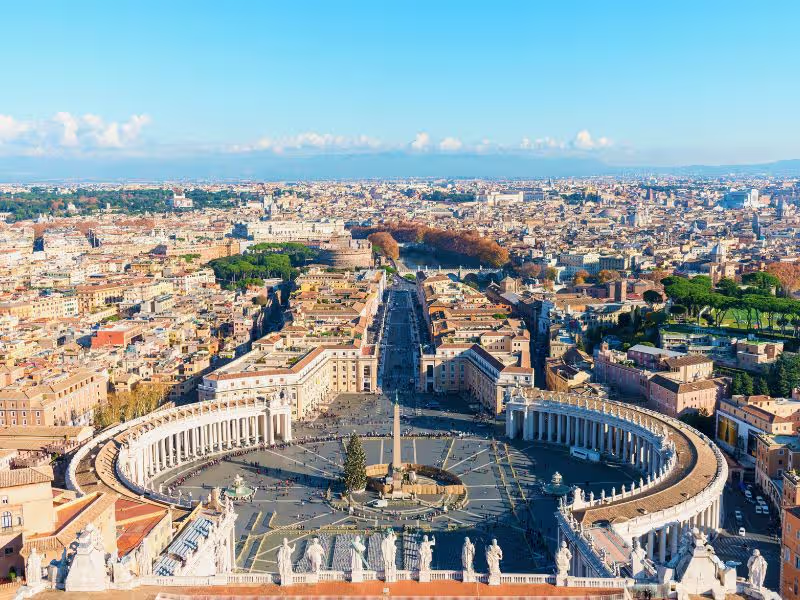
If you are already visiting the Vatican, it’s only a 15 to 20-minute walk from St. Peter’s Square to the Vatican Museums. Make your way to the street then follow the Vatican wall on your left until you reach the entrance.
Services and activities
Services
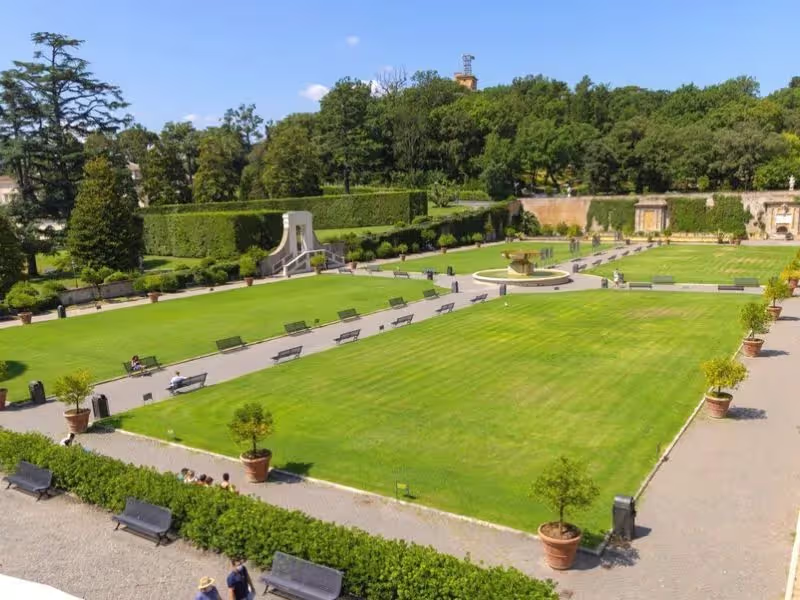
Tours in the Vatican Museums involve a lot of walking, so there are several areas where visitors can rest and take a break. The designated rest areas with seating can be found in the Courtyard of the Cuirasses, Courtyard of the Pinacoteca, Square Garden and Courtyard of the Pinecone.
Visitors with families and strollers are welcome at the Vatican Museums. Staff will assist in showing the easiest route and provide access to elevators for convenient museum navigation. Throughout the tour, there are designated areas with baby changing facilities and a nursing room, while some of the dining areas can provide highchairs.
Activities
The Vatican Museums often host special events, exhibitions, and cultural programs, such as concerts, lectures, and guided tours, which offer visitors the opportunity to learn about the art, history, and culture of the Vatican. These events may require an additional ticket, so check with the official Vatican Museums website for further information about what is on offer.
Food
Food
Visitors are not allowed to consume drinks or food in the exhibition areas and galleries, however the Vatican Museums offer a range of dining options.
These include vending machines, cafeterias, pizzerias, a bistrot and a self-service restaurant. The vending machines, cafeterias and pizzerias offer snacks, drinks and light meals, while the bistrot and restaurant offer a more formal dining experience.
On the menu you will find a selection of Italian and international favorites, including the national dish of Vatican City - fettuccine alla papalina, a dish inspired by the more well-now pasta alla carbonara.
If you opt to eat on the move, it is important to dispose of any waste properly. For safety reasons, waste containers are only located in designated areas outside the main itinerary, namely near the main entrance, courtyards, refreshment areas and restrooms.

Nearby attractions
The Vatican hill is located in central Rome, making it easy to visit several other attractions in the city.
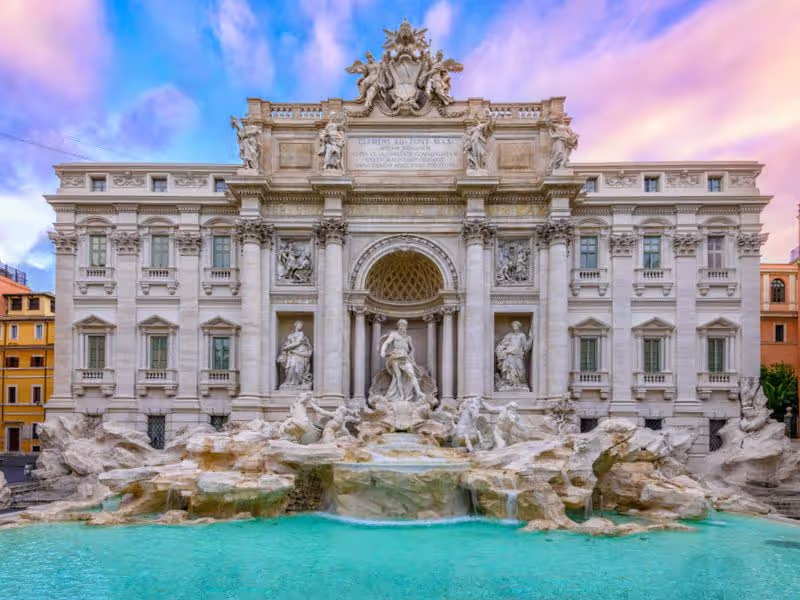
Among the highlights that every visitor should consider are the emblematic Colosseum amphitheater, the impeccably preserved Pantheon, the Fontana di Trevi, the Borghese Gallery and the towering Castel Sant’Angelo.
No trip to Rome is complete without a visit to the iconic Spanish Steps - connecting Piazza di Spagna to the church of Trinità dei Monti, this grand staircase consisting of 138 steps offers a breathtaking view of Rome. During the warmer months, the Spanish Steps come alive with street artists and vendors.
Make sure to stop at one of Rome’s famed squares, such as Piazza Navona, Piazza del Popolo, Piazza Venezia and Campo de' Fiori, to catch your breath, grab a snack or drink and soak in the atmosphere.
If you wish, you can join a Squares and Fountains walking tour to admire the most remarkable public architectural works and learn more about their rich history.
If you are already visiting the Vatican, it’s only a 15 to 20-minute walk from St. Peter’s Square to the Vatican Museums. Make your way to the street then follow the Vatican wall on your left until you reach the entrance.
FAQs and tips
Are the Vatican Museums open to the public now?
Yes, the Vatican Museums are open to the public and accept visitors.
Are tickets needed to visit the Vatican Museums?
Tickets are necessary to visit the Vatican Museums, from Monday to Saturday. On the last Sunday of each month, however, admission is free.
Where can tickets for the Vatican Museums be purchased?
Tickets to the Vatican Museums can be purchased in advance here, via the official website, at the museum's ticket office on the day of your visit, as well as through tour operators and travel agencies.
How much does it cost to visit the Vatican Museums?
General admission tickets cost €17 per person, while online purchases also incur a €5 service charge.
Why visit the Vatican Museums?
The Vatican Museums are a unique destination for art and history enthusiasts, as well as those interested in the Catholic Church. Featuring one of the most impressive collections, with works from antiquity to the Renaissance and beyond, millions of visitors flock to the museums every year. A visit to the Vatican Museums is truly a journey through time and a celebration of human creativity and spirituality.
Where are the Vatican Museums located?
The Vatican Museums are located in the Vatican City, the independent city-state in Rome. More specifically, the museums are within the Apostolic Palace, the official residence of the Pope.
How many galleries comprise the Vatican Museums?
The Vatican Museums consist of 26 galleries which predominantly showcase works of art and can be found within the Vatican Palaces.
What can I see inside the Vatican Museums?
The Vatican Museums are renowned for their extensive collection of approximately 70,000 works and artifacts. Among the collection gathered by the Catholic Church and the papacy are many important sculptures from the Roman era and paintings from the Renaissance. However, only a portion of these works, 20,000 to be exact, are on public display at any given time.
Is St. Peter's Basilica part of the Vatican Museums?
St. Peter's Basilica and the Vatican Museums are both located within the Vatican City, but they are separate entities. While entry to the Vatican Museums requires a ticket, visiting St. Peter's Basilica is free of charge. However, visitors should be prepared for long lines outside the basilica, especially during the tourist high season.
Is the Sistine Chapel a part of the Vatican Museums?
Yes, the Sistine Chapel is housed within the Vatican Museums. To view the Michelangelo masterpiece, a ticket for the Vatican Museums is necessary. These tickets can conveniently be bought online. While you can visit the Museums on your own, there is also the option of guided group tours for a more organized experience.
Are guided tours available for the Vatican Museums?
Yes, guided tours of the Vatican Museums are available and can be booked in advance. Aside from providing a more in-depth and memorable experience, guided tours are a convenient way to skip the long entrance lines.
How do I skip the lines at the Vatican Museums?
There are two ways to skip the lines when visiting the Vatican Museums. You can either buy a ticket online in advance or book a guided tour, which will typically include skip the line access.
When are the Vatican Museums open for visits?
The Vatican Museums are open from Monday to Saturday from 9 AM to 6 PM, with last admissions at 4 PM. They are closed on certain holidays and Sundays, with the exception of the last Sunday of each month when the Museums are open and admission is free. You can find further information on opening hours here.
How much time do you need at the Vatican Museums?
Most visitors spend 2 to 4 hours at the Vatican Museums, however, the duration will ultimately depend on your interests, pace and the crowds. It is best to set aside sufficient time to avoid feeling rushed, especially if you want to take your time to admire the art and architecture.
Is photography allowed inside the Vatican Museums?
Photography is allowed in most places in the Vatican, however the use of flash, selfie sticks, stands, tripods or other professional equipment is not permitted.
Photography at the Sistine Chapel is not allowed under any circumstances.
Is there a dress code at the Vatican Museums?
The Vatican City has a dress code of modest attire and requires the covering of skin. If visitors do not comply, they may be refused entry. Specifically, visitors must cover their knees and upper arms, so shorts and skirts above the knee, ripped jeans, sleeveless tops, low-cut shirts and see-through clothing are not allowed.
Men must remove their hats upon entry, however women are allowed to continue wearing theirs. Tattoos that may be deemed offensive and religious symbols should also be covered up.
What am I allowed to take with me inside the Vatican Museums?
Visitors to the Vatican Museums are generally allowed to bring personal items such as cameras, plastic water bottles, small bags and folding umbrellas. However, large backpacks and bags (over 40x35x15cm in size), non-folding umbrellas and banners must be checked at the cloakroom before entering the museum.
Additional items banned from the museums include laser pointers, professional camera and video equipment (such as tripods), sharp or dangerous objects and metal tools. Use of the cloakroom is free, but keep in mind that the Vatican Museums are not responsible for your items.
Are the Vatican Museums wheelchair-accessible?
Yes, the Vatican Museums are accessible to visitors using wheelchairs. The museums have ramps, elevators and wheelchair-accessible restrooms for visitors with mobility difficulties. Some areas, such as the Sistine Chapel, may be challenging for visitors using wheelchairs due to the crowds and limited space, but the museum staff will assist in making the visit as comfortable as possible.
Latest Articles
Sistine Chapel Under Extraordinary Maintenance, But Still Open to Visitors
The Sistine Chapel at the Vatican Museums is undergoing temporary restoration of Michelangelo’s Last Judgment, but remains open to visitors during the works through Easter 2026.
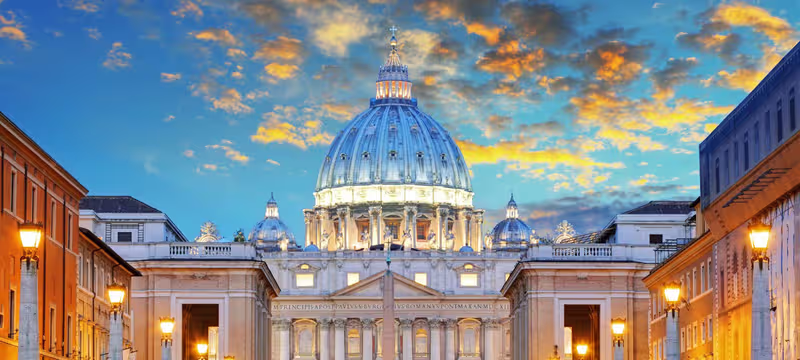
Understanding Visitor Management at the Vatican Museums
Find out the measures in place to fight overtourism at the Vatican Museums and plan your visit accordingly!
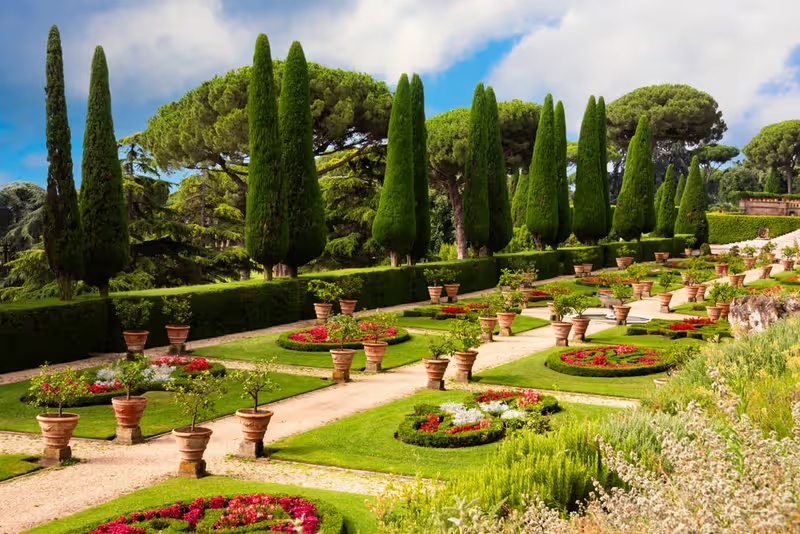
New golf cart available to enhance accessibility to Castel Gandolfo
Check out a new accessibility option for the mobility impaired to visit the gardens of Castel Gandolfo.
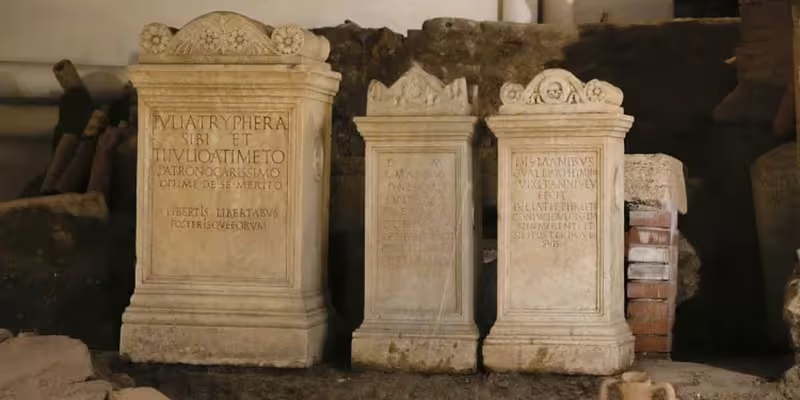
“City of the Dead” Opens at the Vatican Museums
The Vatican Museums have unveiled a new entrance and exhibition in its underground necropolis, also known as its “city of the dead.”
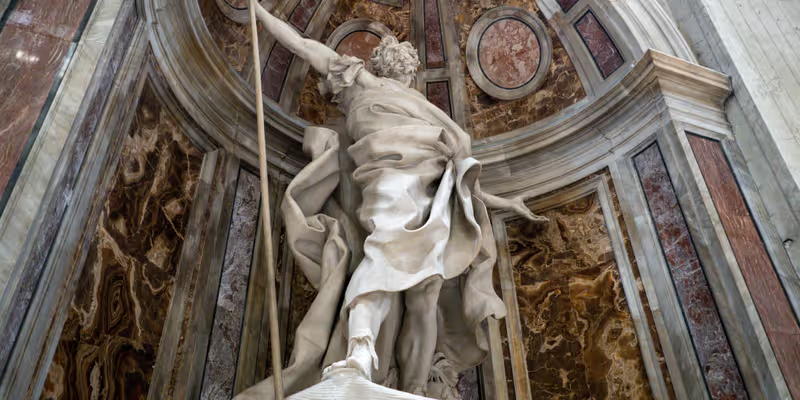
10 Larger-than-Life Examples of Vatican Art
A list of the 10 biggest, longest, tallest and widest paintings and sculptures in the Vatican Museums.
5 Attractions to Visit after the Vatican Museums
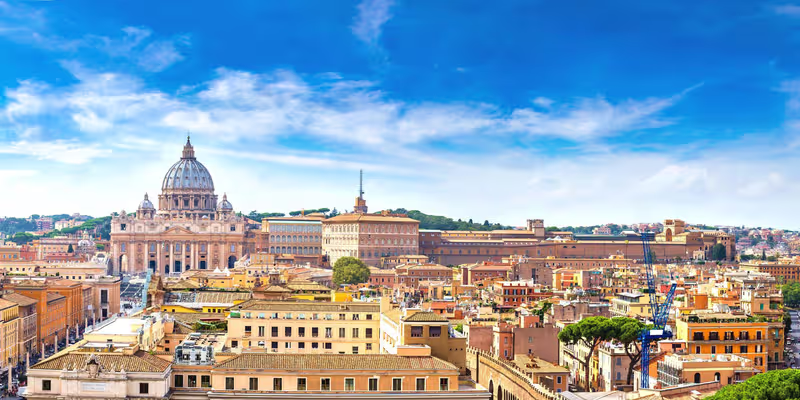
The Vatican Museums are located in the heart of Rome, which means that after a visit there, there are many more places to head to on a day out in the Eternal City.
All you need to know about the Sistine Chapel's ceiling
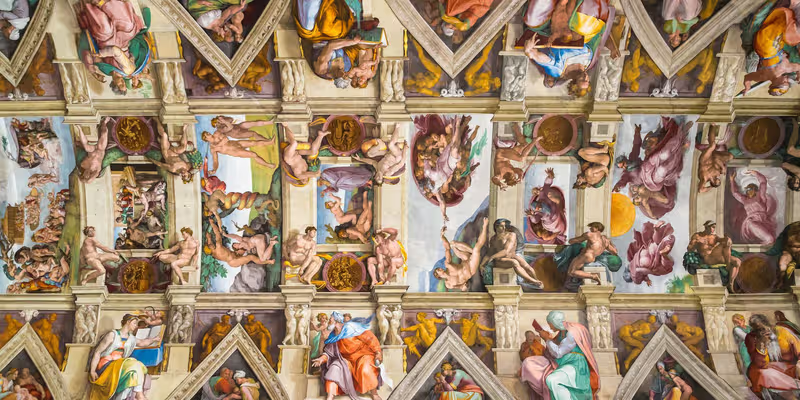
Learn more about the rich history, multiple layers of significance and many secrets behind the Sistine Chapel's famous ceiling frescoes by Michelangelo.
A brief History of the Vatican Museums
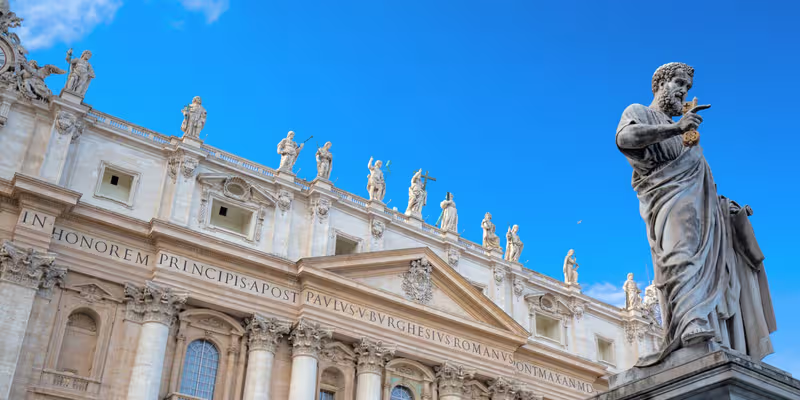
Before your visit, make sure you are up to date with the biggest developments in the long history of the Vatican Museums and its impressive collection.